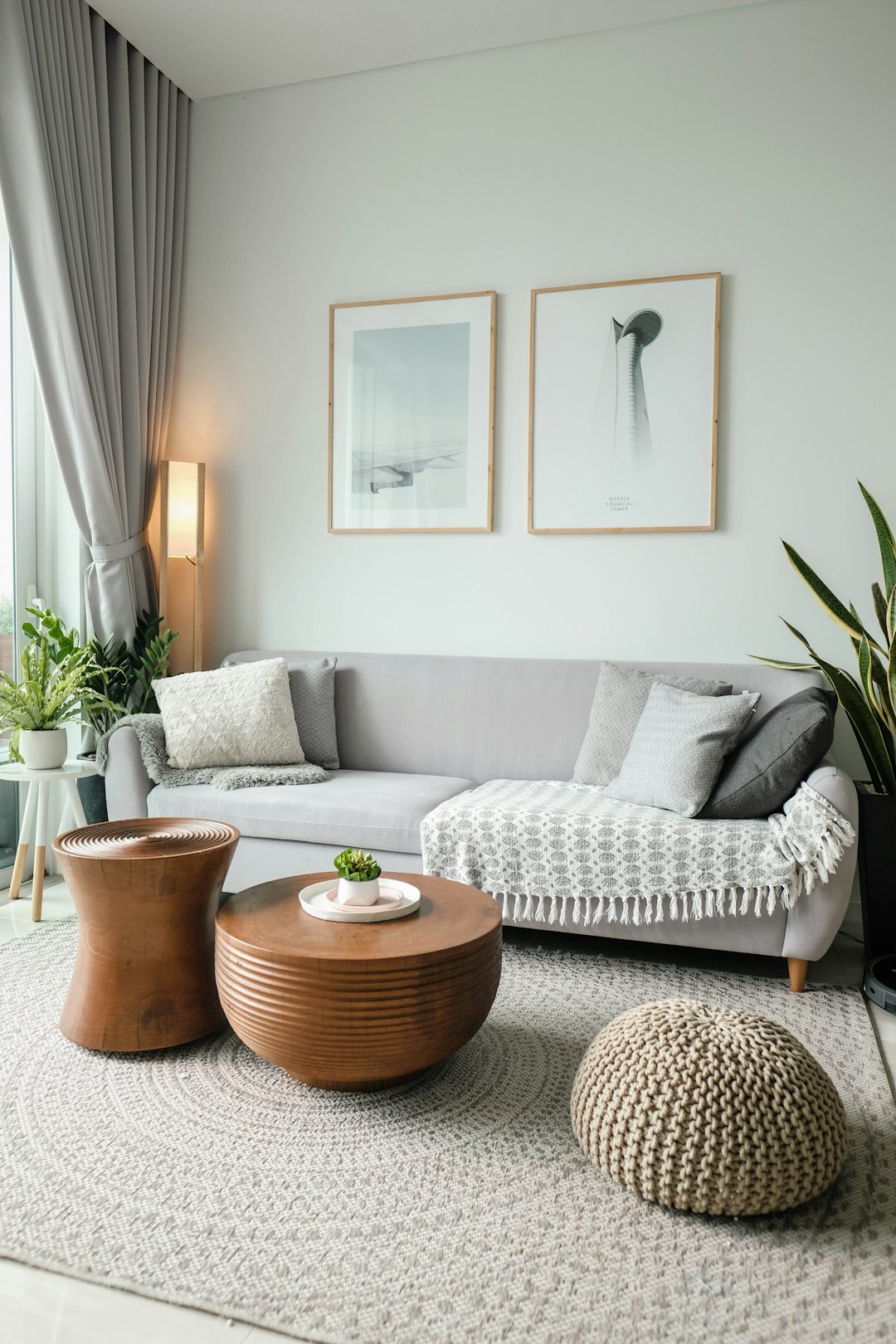
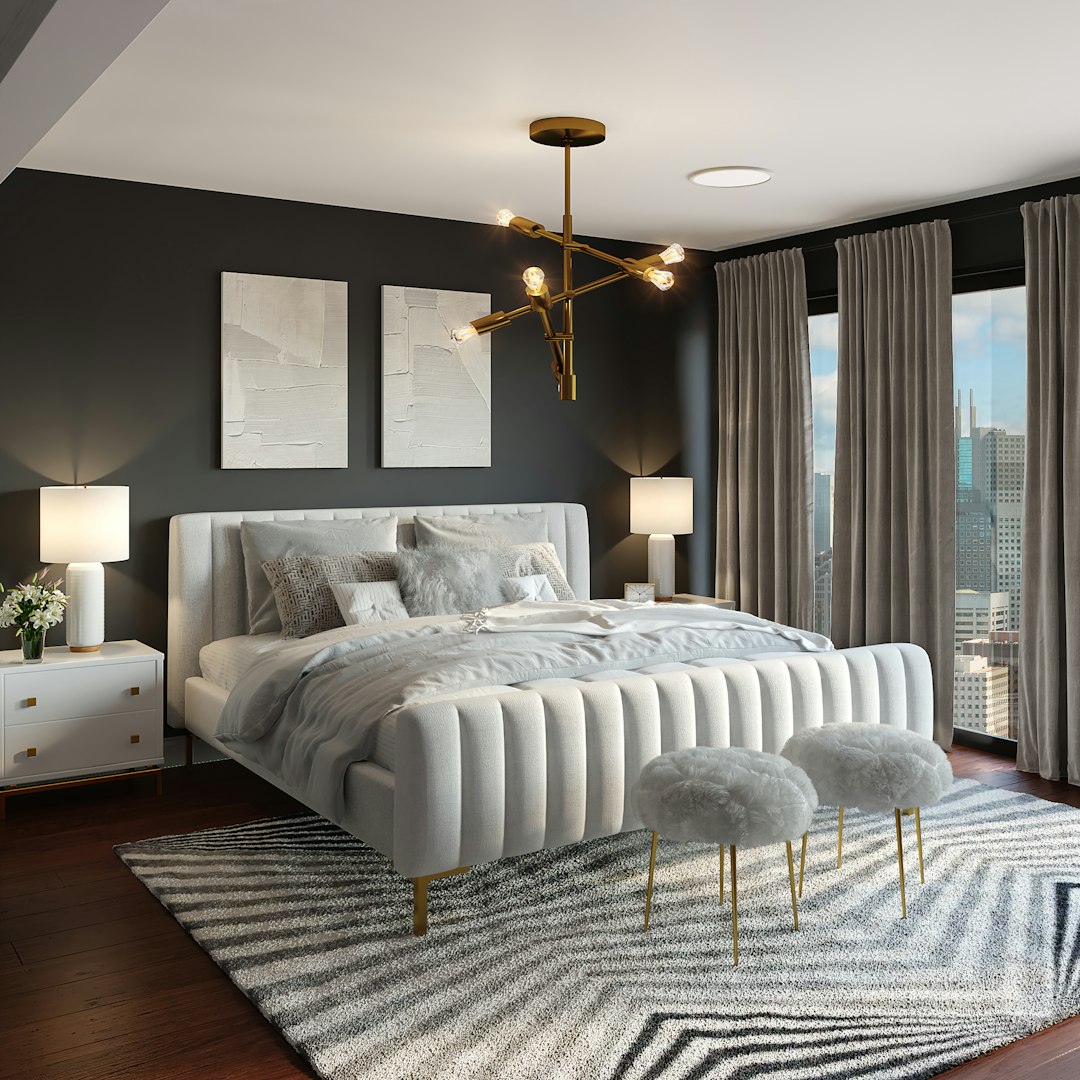
Lighting represents perhaps the most transformative element in interior design—the invisible architecture that defines how we experience space, perceive materials, and feel within our homes. Yet despite its fundamental importance, lighting often receives inadequate attention during design development, treated as an afterthought rather than an integral component deserving careful consideration from the earliest planning stages.
The Foundation: Understanding Lighting Layers
The concept of layered lighting recognizes that no single light source can adequately serve the varied functional and atmospheric needs of contemporary living spaces. Instead, successful lighting design combines three distinct layers—ambient, task, and accent—each serving specific purposes while contributing to a cohesive whole that adapts to different activities, times of day, and moods.
Ambient lighting provides overall illumination, the baseline light level that allows safe navigation and general use of space. This foundational layer typically comes from ceiling-mounted fixtures, recessed downlights, or architectural lighting integrated into ceilings or upper walls. The goal is even, shadow-free illumination that renders spaces functional without creating glare or harsh contrasts.
Task lighting addresses specific functional requirements—reading, food preparation, grooming, working—by providing focused illumination exactly where needed. These fixtures include desk lamps, under-cabinet kitchen lighting, vanity lights flanking bathroom mirrors, and reading lights beside beds. Task lighting should be bright enough for comfortable visual work without overwhelming surrounding ambient light.
Accent lighting adds drama, emphasis, and visual interest by highlighting architectural features, artwork, or decorative objects. This layer creates depth through controlled shadows and bright spots, transforming flat spaces into dimensional environments with focal points and visual hierarchy. Track lighting, picture lights, and strategically aimed spotlights typically fulfill this function.
The artistry in lighting design lies in orchestrating these layers to work harmoniously, creating flexible systems that support varied uses while maintaining aesthetic cohesion. Well-designed lighting should be noticed through its effects rather than the fixtures themselves, shaping experience subtly rather than demanding attention.
Ambient Lighting: Establishing Foundation
Creating effective ambient lighting in contemporary Australian homes requires balancing sufficient light levels with the desire for spaces that feel intimate rather than institutional. The trend toward higher ceilings in modern architecture presents both opportunities and challenges—greater volume to illuminate but also the potential for fixtures to feel distant and ineffective.
Recessed downlights remain popular for ambient lighting due to their unobtrusive appearance and flexible placement. However, their use requires restraint and planning to avoid the "airport runway" effect that occurs when lights are spaced too regularly or too numerously. Contemporary practice favors fewer, more strategically placed downlights supplemented by other layer types rather than comprehensive recessed lighting coverage.
Pendant lights contribute to ambient lighting while also functioning as decorative elements. Clustered over dining tables or kitchen islands, pendants provide necessary illumination while creating visual interest and helping define zones within open-plan layouts. The scale, finish, and style of pendant fixtures significantly impact overall aesthetic, making selection critical to design success.
Indirect lighting—fixtures that wash walls or ceilings with light rather than directly illuminating spaces below—creates soft, diffused ambient light particularly suited to residential environments. LED strip lighting concealed in architectural details, cove lighting that bounces off ceilings, and wall-washing techniques all contribute to gentle background illumination that feels comfortable and welcoming.
Control systems for ambient lighting enable adaptability essential to contemporary living. Dimming capabilities allow adjustment from bright, functional levels for active daytime use to subdued, atmospheric settings for evening relaxation. Preset scenes can recall preferred combinations instantly, making sophisticated lighting accessible through simple controls.
Task Lighting: Supporting Function
The functional demands of task lighting mean these fixtures must prioritize performance alongside aesthetics. In kitchen environments, under-cabinet LED strips or puck lights illuminate countertops where food preparation occurs, eliminating shadows that overhead ambient lighting alone would create. The color temperature and color rendering index of kitchen task lighting affect how food appears, with warmer temperatures generally proving more appealing than cool, clinical tones.
Bathroom task lighting presents particular challenges due to the precision required for grooming activities. Wall-mounted sconces flanking mirrors provide facial illumination from multiple angles, reducing shadows and creating even lighting for shaving, makeup application, and other detailed work. The traditional overhead-only bathroom light creates unflattering shadows and proves inadequate for these tasks despite remaining common in builder-grade installations.
In living areas, table and floor lamps provide flexible task lighting for reading, crafts, or other activities requiring visual focus. Unlike fixed architectural lighting, these portable fixtures can be repositioned as furniture arrangements evolve and needs change. Quality task lamps feature adjustable heads or arms allowing precise light direction, and many now incorporate LED technology for energy efficiency and reduced heat generation.
Home office environments demand particular attention to task lighting, especially as remote work becomes increasingly common. Desk lamps should provide adequate illumination for computer work and document reading without creating screen glare. Asymmetrical lighting designs that illuminate the work surface while leaving the screen area less bright help reduce eye strain during extended computer use.
The integration of task lighting into cabinetry and architectural elements creates clean, minimal expressions where function doesn't compromise aesthetics. Bedside reading lights integrated into headboards, illuminated wardrobes with sensor-activated interior lighting, and lit display shelving demonstrate how task and accent lighting can merge into sophisticated, functional systems.
Accent Lighting: Adding Drama and Depth
Accent lighting transforms spaces from merely functional to genuinely atmospheric by creating visual interest, emphasizing architectural features, and establishing focal points. In contemporary Australian homes, accent lighting often highlights textured materials—natural stone feature walls, timber paneling, or decorative plaster—whose three-dimensional qualities emerge through careful illumination.
Artwork lighting requires specific consideration of both conservation and presentation. LED technology has revolutionized this application, providing focused illumination without the heat and UV emissions that damage sensitive works. Picture lights mounted directly to frames suit traditional presentations, while recessed or track-mounted spotlights offer more contemporary solutions. The beam angle, color temperature, and intensity all require adjustment to suit specific artworks and viewing conditions.
Architectural lighting can transform ordinary structural elements into design features. Lighting recessed ceilings, highlighting beams, washing stone fireplaces with light, or grazing textured walls with raking illumination creates drama and depth impossible with ambient lighting alone. These applications often benefit from separate control circuits, allowing accent lighting to operate independently and create varied atmospheric effects.
Landscape and exterior lighting visible from interior spaces extends the perceived boundary of living areas while creating beautiful nighttime views. Uplighting trees, illuminating architectural facades, and lighting pathways creates layers that draw the eye outward, making interior spaces feel more expansive. This integration of interior and exterior lighting creates cohesive environments that respect the indoor-outdoor connection central to Australian residential design.
Decorative fixtures—statement chandeliers, sculptural pendants, artistic wall sconces—function as accent lighting through their illumination while also serving as focal points themselves. These pieces bridge lighting and art, contributing to interior schemes through form, material, and finish as much as through the light they emit. Selection should consider both the fixture's appearance when lit and unlit, ensuring visual value beyond function.
Color Temperature and Quality of Light
The color temperature of light sources, measured in Kelvin, profoundly affects how spaces feel and how materials and finishes appear. Lower temperatures (2700-3000K) produce warm, yellowish light similar to traditional incandescent bulbs, creating cozy, intimate atmospheres particularly suited to residential environments. Higher temperatures (4000K+) generate cooler, bluer light associated with daylight and commercial spaces, feeling more energizing but less relaxing.
Contemporary lighting design in Australian homes typically favors warmth, with 2700-3000K emerging as the preferred range for living areas, bedrooms, and dining spaces. Kitchens and bathrooms sometimes employ slightly cooler temperatures (3000-3500K) where tasks benefit from light that more closely approximates daylight, though excessively cool temperatures can feel clinical and uncomfortable in residential contexts.
Color Rendering Index (CRI) measures how accurately light sources render colors compared to natural sunlight. Higher CRI values (90+) ensure that materials, finishes, and furnishings appear as intended, maintaining color fidelity crucial to cohesive design schemes. LED technology has improved dramatically in this regard, with premium fixtures now offering CRI values exceeding 95, approaching the performance of halogen and incandescent sources.
Consistency in color temperature across different lighting layers prevents the jarring experience of moving between areas lit with significantly different light qualities. While slight variation can distinguish zones within open plans, dramatic differences—warm ambient lighting combined with cool task lighting, for example—creates visual discord that undermines design cohesion.
Control Systems and Smart Integration
Modern lighting control systems have evolved from simple switches and dimmers to sophisticated networks enabling unprecedented flexibility and convenience. Centralized systems allow creation of preset scenes—combinations of fixtures at specific intensity levels—recalled instantly through single button presses or automated schedules. A "dinner party" scene might feature dimmed ambient lighting, focused task illumination on the dining table, and accent lights highlighting artwork, all activated simultaneously.
Smart home integration brings lighting control to smartphones and tablets, enabling adjustment from anywhere within (or beyond) the home. Voice control through systems like Amazon Alexa, Google Assistant, or Apple HomeKit adds convenience while supporting accessibility for those with mobility limitations. These technologies democratize sophisticated lighting control previously requiring expensive, professionally installed systems.
Automated scheduling aligns lighting with daily routines and natural light patterns. Lights can gradually brighten to simulate sunrise for gentle waking, adjust throughout the day to maintain consistent illumination as daylight changes, and dim in evening to support healthy circadian rhythms. Sensors detecting occupancy and daylight levels optimize energy efficiency while maintaining comfort and convenience.
The aesthetic implications of control systems deserve consideration during design development. Traditional switch plates can accommodate dimmer controls and scene selection, maintaining familiar interfaces while adding functionality. Wireless systems eliminate visible controls entirely, relying on remote, voice, or automated control. The choice depends on user preferences, technical comfort levels, and aesthetic priorities.
Energy Efficiency and Sustainability
LED technology has fundamentally transformed lighting design possibilities while dramatically improving energy efficiency. These sources consume a fraction of the energy required by incandescent or even halogen alternatives, reducing operational costs and environmental impact. The extended lifespan of quality LEDs—often 25,000-50,000 hours—minimizes replacement frequency and associated waste.
The initial higher cost of premium LED fixtures and lamps is typically recovered through energy savings within several years, after which ongoing savings continue accruing. When evaluating lighting options, considering total lifecycle costs rather than just purchase prices reveals LED technology's economic advantages alongside environmental benefits.
Dimming capability enhances LED efficiency further, as reduced intensity directly correlates to reduced energy consumption. This differs from older technologies where dimming saved less energy than intensity reduction might suggest. Combining efficient sources with thoughtful control systems maximizes sustainability while maintaining design quality and functional performance.
Responsible disposal of lighting equipment, particularly fixtures containing electronic components, supports environmental stewardship. Many jurisdictions offer recycling programs for LEDs and electronic equipment. Specifying fixtures with replaceable rather than integrated LED modules extends product lifespans by allowing component replacement without discarding entire fixtures.
Common Mistakes and How to Avoid Them
Among the most frequent lighting design errors is insufficient layering—relying too heavily on a single lighting type, typically recessed downlights, without adequate task or accent lighting. This approach creates flat, one-dimensional spaces lacking the flexibility, atmosphere, and visual interest that layered lighting provides. Planning for all three layers from the outset ensures comprehensive, adaptable systems.
Over-lighting represents another common pitfall, particularly in renovation projects where anxiety about inadequacy leads to excessive fixtures. More lights don't necessarily create better lighting, and restraint often produces more sophisticated results. Dimming capability provides insurance against under-lighting while allowing reduction of excessive brightness.
Neglecting the relationship between natural and artificial light compromises both. Lighting design should acknowledge and complement daylight patterns rather than ignoring them. Understanding how natural light enters and moves through spaces throughout the day informs artificial lighting placement and control, creating seamless transitions from day to night.
Selecting fixtures based solely on appearance without considering light quality, distribution, and glare control prioritizes aesthetics over performance. Beautiful fixtures that produce harsh, uncomfortable light or inadequate illumination fail regardless of their visual appeal when unlit. Evaluating both form and function ensures lighting that looks beautiful and performs effectively.
Conclusion: Light as Invisible Architecture
Lighting design represents one of the most powerful tools available to interior designers and homeowners seeking to create spaces that function beautifully while feeling atmospheric and welcoming. Through thoughtful layering of ambient, task, and accent lighting, careful selection of color temperatures and quality sources, and implementation of flexible control systems, contemporary Australian homes can achieve lighting environments that support varied activities while expressing refined aesthetic sensibilities.
The investment in quality lighting design—both the intellectual work of planning comprehensive systems and the financial commitment to premium fixtures and controls—yields returns through enhanced livability, reduced energy costs, and spaces that feel genuinely special. Light shapes experience fundamentally, affecting mood, comfort, and how we perceive our surroundings. Treating it as an integral design element rather than a technical afterthought elevates interior environments from ordinary to extraordinary.
As we continue to refine our understanding of what makes homes truly feel like sanctuary, the role of lighting in creating atmospheres that nurture, comfort, and inspire becomes ever more apparent. Mastering the principles of layered lighting design empowers the creation of interiors where light—that most ephemeral of materials—becomes as carefully considered and beautifully executed as any physical surface or furnishing element.