
Minimalism has long been celebrated for its clean lines, uncluttered spaces, and sense of calm. Yet traditional minimalism, often characterized by stark whites and cool greys, can sometimes feel austere or unwelcoming, particularly in the Australian climate where we seek warmth and connection to the outdoors. This is where warm minimalism enters the conversation, offering a softer, more inviting interpretation of minimalist principles.
At Jimoria, we've embraced warm minimalism as a design philosophy that respects the clarity and restraint of minimalism while introducing warmth through carefully curated color palettes, natural materials, and textural layering. The result is spaces that feel both serene and welcoming, sophisticated yet livable.
The Foundation: Greige as the New Neutral
Central to warm minimalism is the greige palette, that nuanced blend of grey and beige that has become the signature of contemporary Australian interiors. Unlike stark white or cool grey, greige brings warmth while maintaining the neutrality that allows architectural elements and furnishings to shine.
We typically work with a range of greige tones, from lighter shades that open up smaller spaces to deeper, more saturated versions that add depth and sophistication to larger rooms. The beauty of greige lies in its versatility; it pairs beautifully with natural timber, complements both warm and cool accent colors, and adapts to various lighting conditions throughout the day.

When specifying greige tones for walls, we consider the room's orientation, natural light quality, and the materials that will surround it. A greige with warmer beige undertones works beautifully in south-facing rooms that receive cooler light, while those with slightly cooler grey undertones can balance the warmth of north-facing spaces.
Materiality and Texture
Warm minimalism relies heavily on material richness to prevent spaces from feeling flat or sterile. While the color palette may be restrained, the material palette is anything but. We layer textures through natural stone, timber, linen, wool, and tactile plasters to create depth and visual interest.
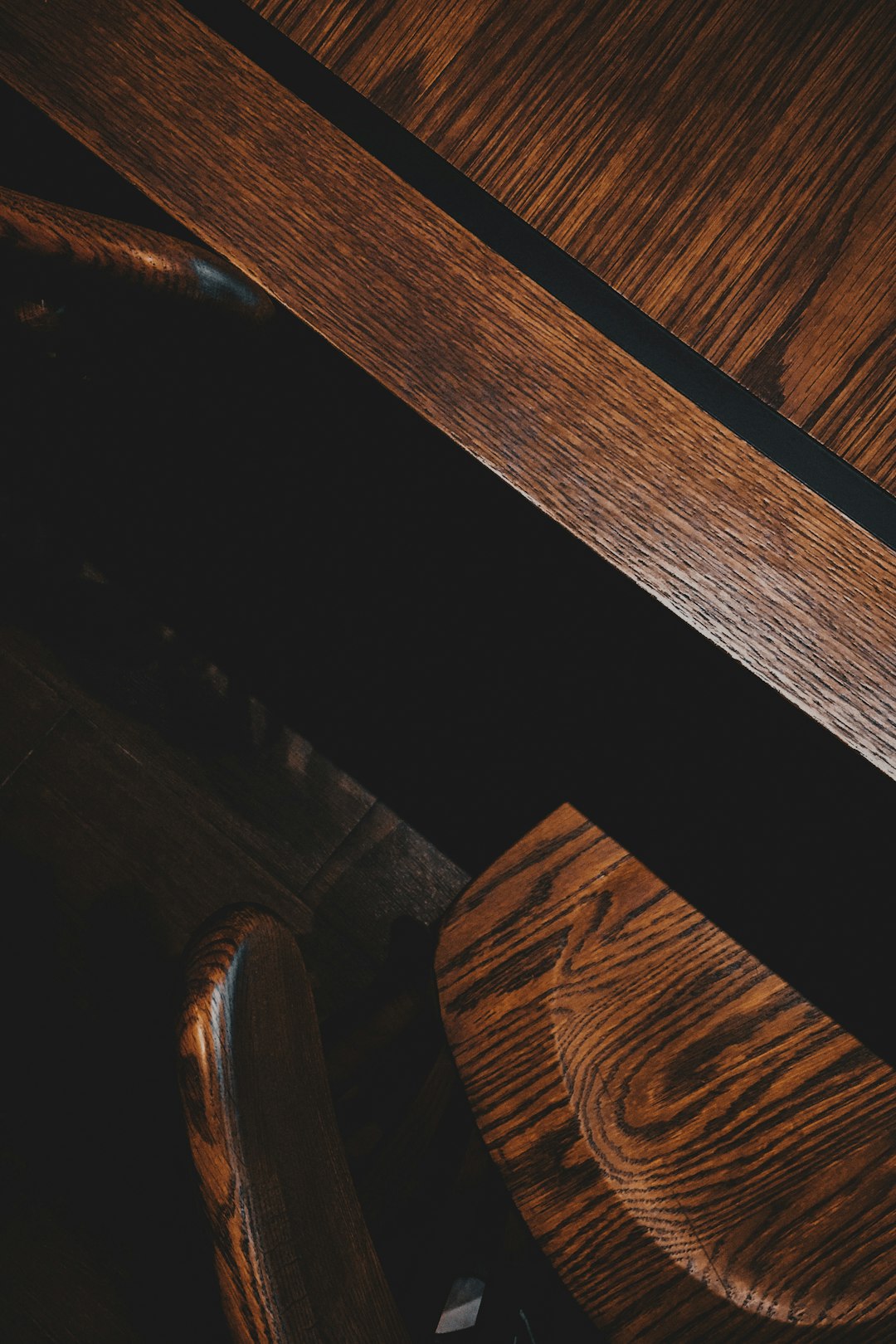
Timber plays a particularly important role in warming minimalist spaces. We favor smoked oak, with its rich, darkened tones and pronounced grain patterns, as a flooring material that anchors spaces with warmth and natural character. The smoking process intensifies the wood's natural variations, creating a floor that's both timeless and distinctive.
In furniture selections, we seek pieces that celebrate materiality, whether that's a dining table in solid timber, upholstered seating in natural linen, or cabinetry with stone countertops. Each material brings its own texture and warmth, contributing to the overall sensory experience of the space.
Sculptural Simplicity
Minimalism doesn't mean boring. In fact, with fewer elements in a space, each piece has greater impact and must be chosen with care. We approach furniture selection with an eye for sculptural quality, seeking pieces that are simple in form but compelling in silhouette.

A beautifully proportioned sofa with clean lines, a dining chair with an interesting silhouette, or a pendant light with organic curves, all serve as focal points within the restrained palette. These pieces function as art objects in their own right, adding visual interest without cluttering the space.
The Role of Light
Natural light is perhaps the most important element in warm minimalism. Large windows, skylights, and carefully positioned openings flood spaces with daylight that animates neutral palettes and highlights textural details. We design with light in mind, considering how it moves through spaces throughout the day and across seasons.
Artificial lighting is equally considered. We layer ambient, task, and accent lighting to create flexibility and atmosphere. Warm LED sources with high color rendering indices ensure that greige tones read correctly and that the warmth of timber and textiles is properly showcased.
Spatial Generosity
Warm minimalism celebrates space itself. Rather than filling every corner, we embrace negative space as an active design element. Generous room proportions, uninterrupted sightlines, and thoughtful furniture placement create a sense of calm and allow the eye to rest.
This doesn't necessarily require large floor areas. Even modest spaces can feel generous when carefully planned. We achieve spatial generosity through high ceilings where possible, minimizing visual clutter, and creating clear circulation paths that make spaces feel open and breathable.
Warmth Through Detail
The details matter enormously in minimalist design. With fewer elements, each detail is visible and significant. We pay meticulous attention to joinery details, ensuring clean reveals, shadow lines, and integrated handles that maintain visual calm.

Hardware and fixtures are specified in muted brass or brushed bronze finishes that add subtle warmth without competing for attention. These metallic accents catch light beautifully and age gracefully, developing a natural patina over time that enhances their warmth.
Bringing Nature Inside
A connection to nature is fundamental to warm minimalism. Beyond the use of natural materials, we incorporate plants, natural fiber textiles, and organic forms that soften the geometry of built architecture. A single sculptural plant in a beautiful planter can become a focal point, while larger plantings can define zones within open-plan spaces.
Windows are often left undressed or treated with simple linen curtains that filter light softly, maintaining the connection to outdoor landscapes and gardens. This indoor-outdoor relationship is particularly important in Australian design, where climate allows us to extend living spaces beyond the building envelope.
Living With Less, Living Better
Ultimately, warm minimalism is about intentionality. It's a rejection of excess in favor of carefully chosen elements that bring joy, function, and beauty. By paring back to essentials and investing in quality over quantity, we create homes that are easier to maintain, more peaceful to inhabit, and more sustainable in their approach.
This philosophy extends to how we live in these spaces. Warm minimalism encourages mindful consumption, thoughtful curation, and an appreciation for the things we choose to surround ourselves with. It's a design approach that supports a slower, more intentional way of living that many of us crave in our increasingly busy world.
At Jimoria, we continue to explore and refine this aesthetic, seeking the perfect balance between restraint and warmth, simplicity and richness. Each project offers an opportunity to discover new ways of creating spaces that are both minimal in their clarity and maximal in their comfort and beauty.