In the evolving landscape of contemporary interior design, few materials have captured the imagination of designers and homeowners quite like smoked oak. This distinctive timber treatment has emerged as a defining element in sophisticated Australian interiors, offering a unique combination of warmth, depth, and architectural character that elevates spaces from ordinary to extraordinary.
Understanding the Smoked Oak Process
Smoked oak isn't simply stained or painted wood—it's the result of a centuries-old European technique that fundamentally transforms the timber's cellular structure. The traditional process involves exposing oak to ammonia fumes in a sealed chamber, typically for several days. This chemical reaction with the wood's natural tannins creates rich, complex tones that penetrate deep into the timber rather than sitting on the surface like conventional stains.
The beauty of this process lies in its unpredictability and authenticity. Because the color development depends on the natural tannin content of each piece of wood, no two boards emerge identical. This organic variation creates visual interest and depth that mass-produced finishes simply cannot replicate. The grain patterns become more pronounced, shadows deepen, and the wood acquires a sophisticated patina that appears to have developed naturally over decades.
Modern variations of the smoking process have evolved to include heat treatment methods, which offer similar aesthetic results with different environmental considerations. Regardless of the specific technique employed, the outcome remains consistently remarkable: timber with character, warmth, and an unmistakable presence that anchors contemporary interior schemes.
The Aesthetic Appeal in Modern Spaces
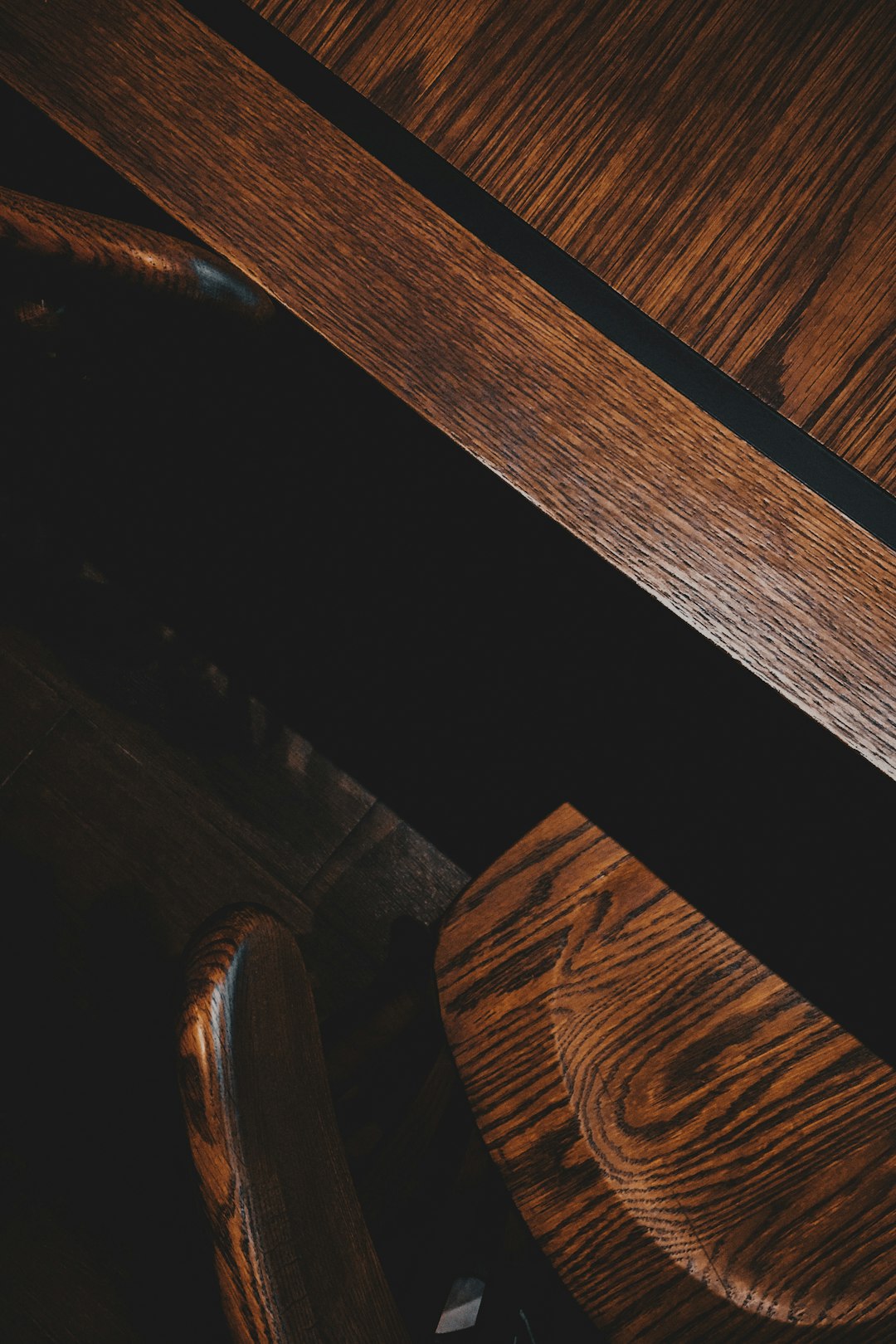
What makes smoked oak particularly compelling in today's design landscape is its remarkable versatility. Unlike darker woods that can feel heavy or dated, smoked oak strikes a perfect balance between richness and restraint. The tones typically range from warm honey browns through to deep chocolate hues, often with subtle grey undertones that complement contemporary color palettes beautifully.
This tonal complexity allows smoked oak to function as both a grounding element and a sophisticated backdrop. In spaces dominated by lighter materials—cream stone, pale plaster, soft textiles—smoked oak cabinetry or flooring provides essential visual weight without overwhelming the composition. The grain patterns add texture and movement, creating subtle visual interest that rewards closer inspection.
The material's ability to absorb and reflect light creates dynamic shifts in appearance throughout the day. Morning light may emphasize warmer amber tones, while afternoon shadows bring out deeper, cooler notes. This living quality ensures that spaces featuring smoked oak never feel static or monotonous, instead evolving with natural light patterns in ways that synthetic materials cannot replicate.
Applications in Residential Design
Within residential interiors, smoked oak has proven exceptionally adaptable across multiple applications. Kitchen cabinetry represents perhaps its most popular use, where the timber's durability combines beautifully with its aesthetic qualities. Floor-to-ceiling smoked oak cabinets can transform a kitchen into an architectural statement, particularly when paired with stone countertops in complementary warm tones and muted brass hardware.
For flooring applications, smoked oak offers a sophisticated alternative to both traditional light timbers and overly dark stained options. Wide planks showcase the grain patterns effectively, while the varied toning helps disguise the minor scratches and wear that inevitably occur in high-traffic areas. The timber ages gracefully, developing additional character rather than simply looking worn.
Joinery elements—from media units to wardrobes, wine storage to bathroom vanities—benefit enormously from smoked oak's refined appearance. The timber elevates functional pieces into design features, allowing practical storage solutions to contribute positively to the overall aesthetic rather than requiring concealment. Custom joinery in smoked oak can be designed with minimal hardware, relying on the wood's natural beauty as ornamentation.
Architectural applications such as wall paneling, ceiling treatments, and screening elements demonstrate smoked oak's ability to define and delineate space without solid barriers. A smoked oak feature wall behind a bed creates a warm, enveloping backdrop for rest, while slatted screens in the same material can separate living zones while maintaining visual and spatial flow.
Pairing Smoked Oak with Complementary Materials
The true artistry in working with smoked oak lies in understanding how to compose it with other materials to create cohesive, layered interiors. Natural stone provides an ideal companion—particularly varieties with warm undertones like travertine, limestone, or certain marbles. The organic variation in both materials creates visual harmony, while their different textures provide tactile contrast.
Metals require careful consideration when paired with smoked oak. While chrome and polished stainless steel can feel jarring against the timber's warmth, muted brass, aged bronze, and blackened steel create beautiful dialogues. These metal finishes share the oak's sophisticated, understated quality, enhancing rather than competing with the wood's natural beauty. Hardware, lighting fixtures, and decorative objects in these finishes help tie design schemes together coherently.
Textiles and soft furnishings in natural fibers extend the material's organic aesthetic. Linen, wool, cotton, and leather in tonal palettes—think warm greys, soft taupes, creamy ivories, and earthy terracottas—complement smoked oak beautifully. The combination of timber and natural textiles creates spaces that feel grounded, comfortable, and inherently welcoming.
Glass and mirrors can lighten spaces featuring substantial smoked oak elements, preventing interiors from feeling too enclosed or heavy. The reflective qualities bounce light around rooms, while the transparency maintains sightlines and spatial flow. This balance between solid timber and transparent or reflective materials creates sophisticated, well-proportioned interiors.
Considerations for Specification and Maintenance
When specifying smoked oak for residential projects, several practical considerations warrant attention. Source quality matters significantly—European oak, particularly from French and German forests, tends to offer the most consistent grain patterns and tannin content for smoking. American white oak provides a viable alternative with slightly different characteristics but equally beautiful results.
The finishing treatment applied after smoking dramatically impacts both appearance and performance. Oil finishes enhance the timber's natural character and allow for easier repairs, though they require more regular maintenance. Hard wax oils offer improved durability while maintaining the wood's tactile qualities. Lacquer finishes provide maximum protection and are easier to clean, though they can slightly diminish the timber's natural warmth.
For flooring applications, consider the installation method carefully. Engineered smoked oak boards offer improved stability in Australian climates, particularly in coastal regions where humidity fluctuations can affect solid timber. The engineering process doesn't compromise appearance when quality manufacturers employ thick wear layers that can be refinished if needed.
Maintenance requirements for smoked oak remain pleasingly straightforward. Regular dusting and occasional cleaning with products designed for timber are typically sufficient. The darker tones naturally hide minor marks and wear better than lighter timbers. For oiled finishes, periodic re-oiling maintains protection and refreshes appearance—a process many homeowners find satisfying rather than burdensome.
Sustainability and Longevity
From an environmental perspective, smoked oak represents a responsible choice when sourced thoughtfully. Oak is a relatively fast-growing hardwood compared to exotic species, and European forestry practices generally emphasize sustainable management. Certifications such as FSC (Forest Stewardship Council) or PEFC (Programme for the Endorsement of Forest Certification) provide assurance of responsible sourcing.
The longevity of smoked oak installations contributes significantly to their sustainability credentials. Unlike trendy finishes that date quickly, the timeless quality of properly executed smoked oak means spaces remain aesthetically relevant for decades. This durability—both physical and stylistic—reduces the need for replacement and renovation, ultimately minimizing environmental impact through extended life cycles.
The ability to refinish smoked oak surfaces extends useful life even further. Floors can be sanded and re-treated, joinery can be refreshed, and even damaged sections can often be repaired rather than replaced. This reparability stands in stark contrast to many modern materials that require complete replacement when damaged or worn.
Design Trajectory and Future Applications
As we look toward the evolution of interior design in Australia, smoked oak appears positioned to maintain its relevance rather than fade as a passing trend. The material's inherent qualities—authenticity, warmth, depth, versatility—align with enduring design values that transcend temporary fashions. The growing appreciation for natural materials and craftsmanship further supports smoked oak's continued prominence.
Emerging applications continue to expand the material's possibilities. We're seeing innovative uses in furniture design, where smoked oak frames and structures support upholstered elements. Lighting design increasingly features smoked oak components, from pendant shades to floor lamp bases. Even exterior applications are being explored, with appropriate treatments protecting the timber while maintaining its distinctive appearance.
The integration of smoked oak with contemporary technology represents another frontier. Concealed storage for electronics, integrated charging stations, and smart home controls can all be seamlessly incorporated into smoked oak joinery, allowing modern functionality without aesthetic compromise. This marriage of traditional material and modern convenience exemplifies thoughtful contemporary design.
Conclusion: The Enduring Appeal of Smoked Oak
Smoked oak's transformation of contemporary Australian interiors stems from its unique ability to provide warmth, character, and sophistication simultaneously. In an era where authenticity and quality increasingly matter to homeowners, this material delivers tangible, lasting value. Its rich tonal complexity, beautiful grain patterns, and architectural presence create spaces that feel both contemporary and timeless.
For designers and homeowners seeking to create interiors with depth and soul, smoked oak offers an incomparable foundation. Whether deployed extensively throughout a home or used selectively as accent elements, the timber elevates spaces through its inherent beauty and crafted quality. As we continue to refine our understanding of what makes interiors truly feel like home, materials like smoked oak—honest, warm, and enduring—will undoubtedly remain at the forefront of sophisticated design.